

Theory and Strategy
Stand as the Backbone for the Regeneration of the Front Range
SPIRIT's priorities from the beginning are about remembering our direct stewardship relationship to the lands that hold us, particularly by addressing the history of forced removal and massacre of the Indigenous peoples of these lands. There is no perfect way to address these egregious and recent histories, yet we are devoted to bridging relationships with Arapaho, Cheyenne, and Ute communities to pray and council our way towards reconciliation and rematriation with growing relationship and wisdom.
Central to our work is the re-establishment of living networks of sharing, caring, and reciprocal relationship as the structural roots of good culture and regenerative civilization. SPIRIT serves as connective tissue — linking organizations, neighborhoods, and communities who are already doing the work, and helping them find each other, share resources, and grow more capable together.
Our intention is to activate “Commons Consciousness,” and to cede all direction and control to that social organism once it is established. That is how we conceive of “backboning”: providing the structural support that allows the living network of the bioregion to flourish, without enclosing or directing it.

Theory
-
Supporting neighborhoods and organizations to undertake diverse activities of cultural and ecological regeneration and resiliency together — embedding themselves in place, learning from each other, and developing complexity and harmonics within the larger ecology of the Front Range Bioregion.
Coordination means more than sharing a calendar. It means developing the relationships, tools, and shared language that allow diverse groups to act together without losing their distinctiveness. The Front Range bioregion is itself an ecotone — a corridor where mountains and grasslands meet, where different ecologies interweave into something richer than either alone. Our coordination work mirrors this: the harmonics that emerge when different communities find their threads of specificity and connection.
-
The Front Range of the Rockies is a particular home for us to have — we have the endless plains to the East, red deserts to the South, towering mountains to the West, high plains and river basins to the North. The Front Range is a long, narrow corridor of transitional ecologies where mountains and grasslands meet, and rivers run through.
It is our job to take care of where we live, and to rise to higher levels of responsibility and conscientious stewardship for the land and the communities it supports. Bioregional self-determination means that the people who live in a place are the ones best positioned to govern its shared resources — not distant legislatures, not extractive corporations, not abstract markets. A foundational, central part of this work is the re-weaving of displaced Indigenous peoples back into the fabrics of these lands. There is no way to make history right, so we endeavor to do our best to build bridges from where we stand now with humility, honesty, and compassion.
-
We are linking indigenous land- and culture-workers, artists, and regenerative ecologists with City and County grants and opportunities through support with grant-finding, -writing, and translation.

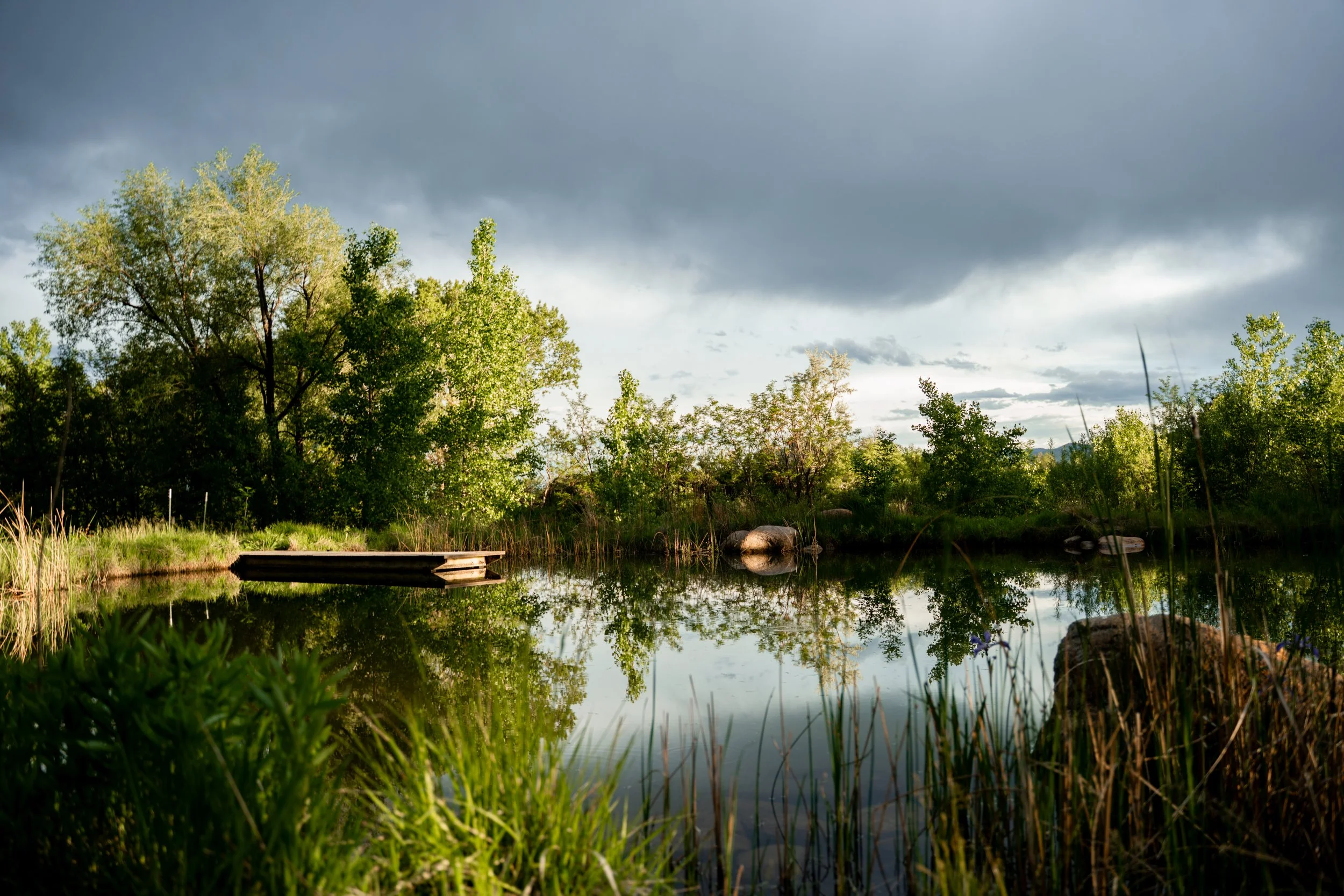
Remembering our embedded belonging to the living world invites us to reimagine our social, cultural, and economic systems in accordance with ecological webs of relationships.
Four pillars to activate the Front Range Commons

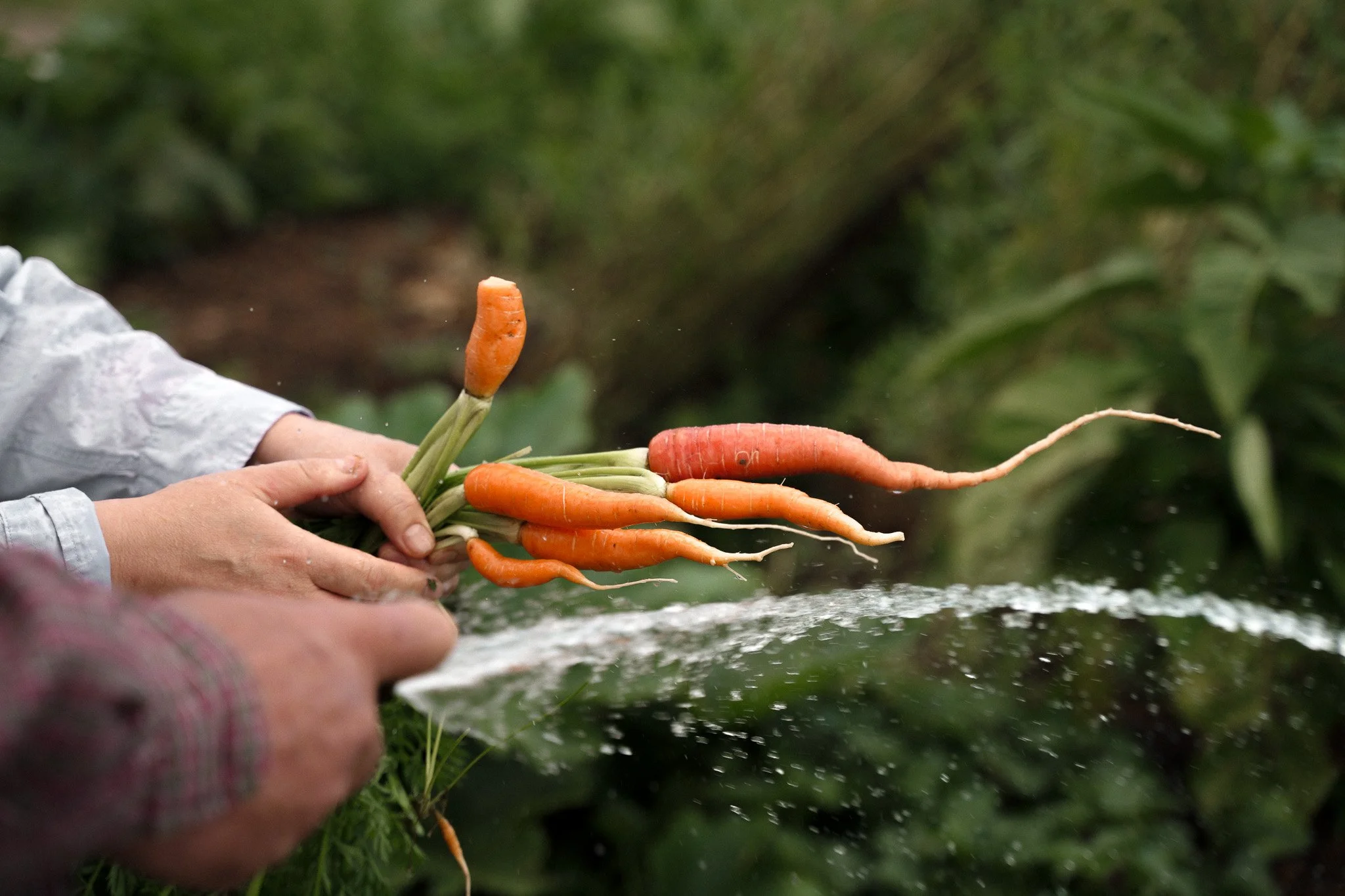
ALLOCATION
Flowing resources to projects that regenerate our bioregion through quadratic funding for projects and mutual aid.
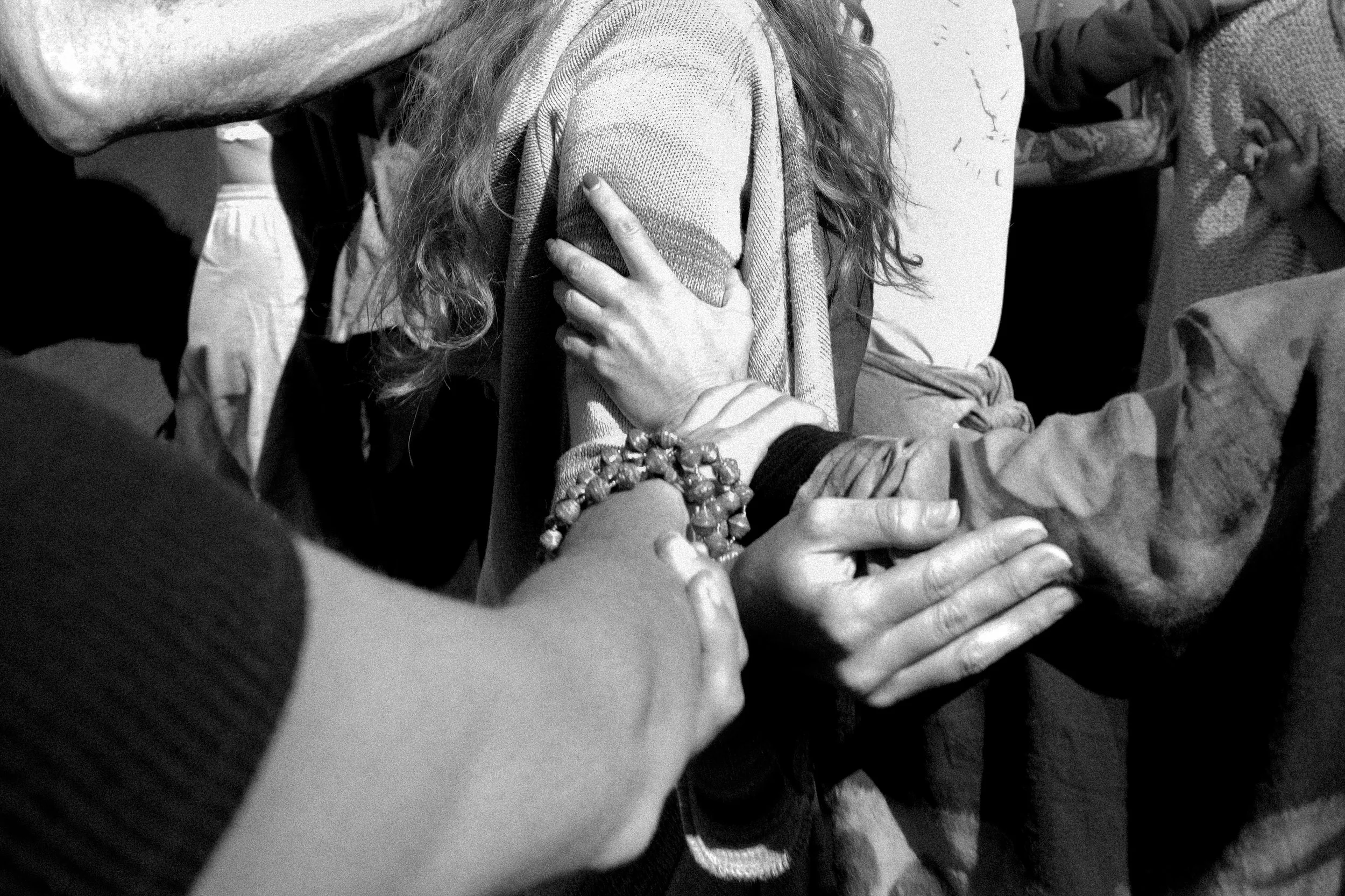
COORDINATION
Providing tools for coordination, collaboration, distributed decision-making and treasuries.
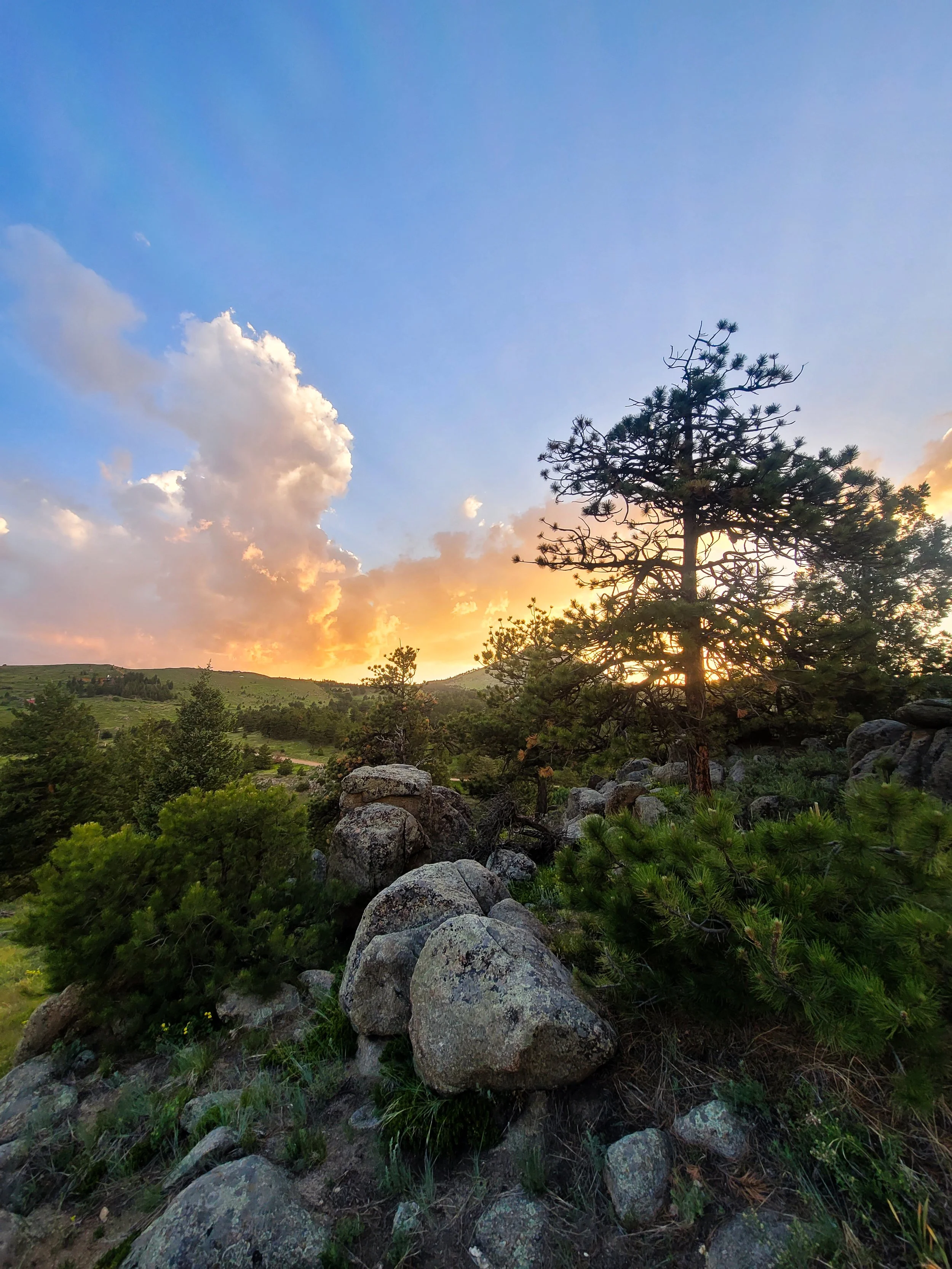
CULTURING
Fueling culture and ethics through gatherings, skill-shares, and trainings

BELONGING
Fostering a shared bioregional identity and facilitating exchange with other bioregions.
Strategy
-
Developing bioregional systems for community decision-making and resource allocation — including community-controlled funding tools (decentralized finance, or DeFi), shared operations platforms, and digital infrastructure designed to serve community sovereignty rather than platform dependency.
-
SPIRIT is fundraising in order to allocate resources directly to regenerative ecological and cultural projects along the Front Range, according to the enfranchised will of the denizens of the Commons.
This means community-led grant-making — not decisions made in a boardroom, but resources flowing to the projects that the people of the bioregion identify as most needed. We use community-allocated funding mechanisms (quadratic funding) that amplify the voice of many small contributors rather than concentrating power with large donors.
The aspiration is a regular rhythm of allocation rounds where anyone can propose a project — a community garden, a watershed restoration effort, a cultural preservation initiative, a mutual aid fund — and the Commons decides together where resources flow.
-
Every bioregion holds more wisdom than any single person or organization can carry. The question is: how do we map it, share it, and make sure it is not lost?
The Knowledge Commons is a living library built by and for the communities of the Front Range. It draws on elder and indigenous interviews, community documentation, and practitioner knowledge to create a searchable, shareable body of bioregional understanding.
The permaculture teacher who has spent thirty years learning this soil. The watershed organizer who knows every tributary of the South Platte. The community elder who remembers how neighborhoods used to work. Their knowledge matters, and right now most of it lives only in their memories and movements.
We are developing tools to help organize and surface this knowledge — not to replace human wisdom, but to make it more accessible. And because bioregions do not exist in isolation, we are building connections to share knowledge across regions, linking with bioregional networks in Cascadia and beyond.
What is heavy should be local and self-governed. What is light should be global and shared.
-
The regenerative work already happening on the Front Range — by Indigenous land and culture workers, artists, ecological farmers, watershed stewards, neighborhood organizers — often goes unseen by the city and county institutions that hold grants and opportunities. And those institutions often struggle to reach the grassroots communities doing the most vital work.
SPIRIT aims to bridge this gap. We link regenerative practitioners with civic funding streams. We help organizations that don't yet know they are neighbors find each other. We translate between the language of institutions and the language of living systems, to the best of our abilities.


Feeling inspired? Let’s weave.
Inquiries. Projects. Partnerships. Knowledge. Questions?
We would love to hear from you.